

The approach, at a glance.
These consultation points summarize procedure-specific descriptions from the official Korean detail page. Suitability, technique, risks and recovery require individual clinical assessment.
Fat repositioning
The source describes moving protruding fat toward hollowed areas below the eyes.
Tear trough and bulging
Tear-trough hollowing and under-eye fat bulging are assessed together in the source.
Conjunctival approach
The source describes an approach through the inner eyelid conjunctiva, fat redistribution and septal support.
Different from lower blepharoplasty
The FAQ distinguishes lower blepharoplasty when skin and tissue drooping accompany fat bulging.
Process described in the source
Assessment and design
The source discusses the extent and shape of fat and the dark-circle concern.
Fat adjustment
The source describes a conjunctival approach and adjustment of part of the fat.
Redistribution and septal support
The source discusses redistribution of fat and septal support.
This diagram follows the source’s explanation order. It is not an individual operative plan or a promised result.
How the approach works.
The official page describes access through the inner eyelid to adjust fat and the supporting septum. Excess skin or substantial tissue sagging may call for a different lower-eyelid approach.
Lower-eyelid contour assessment
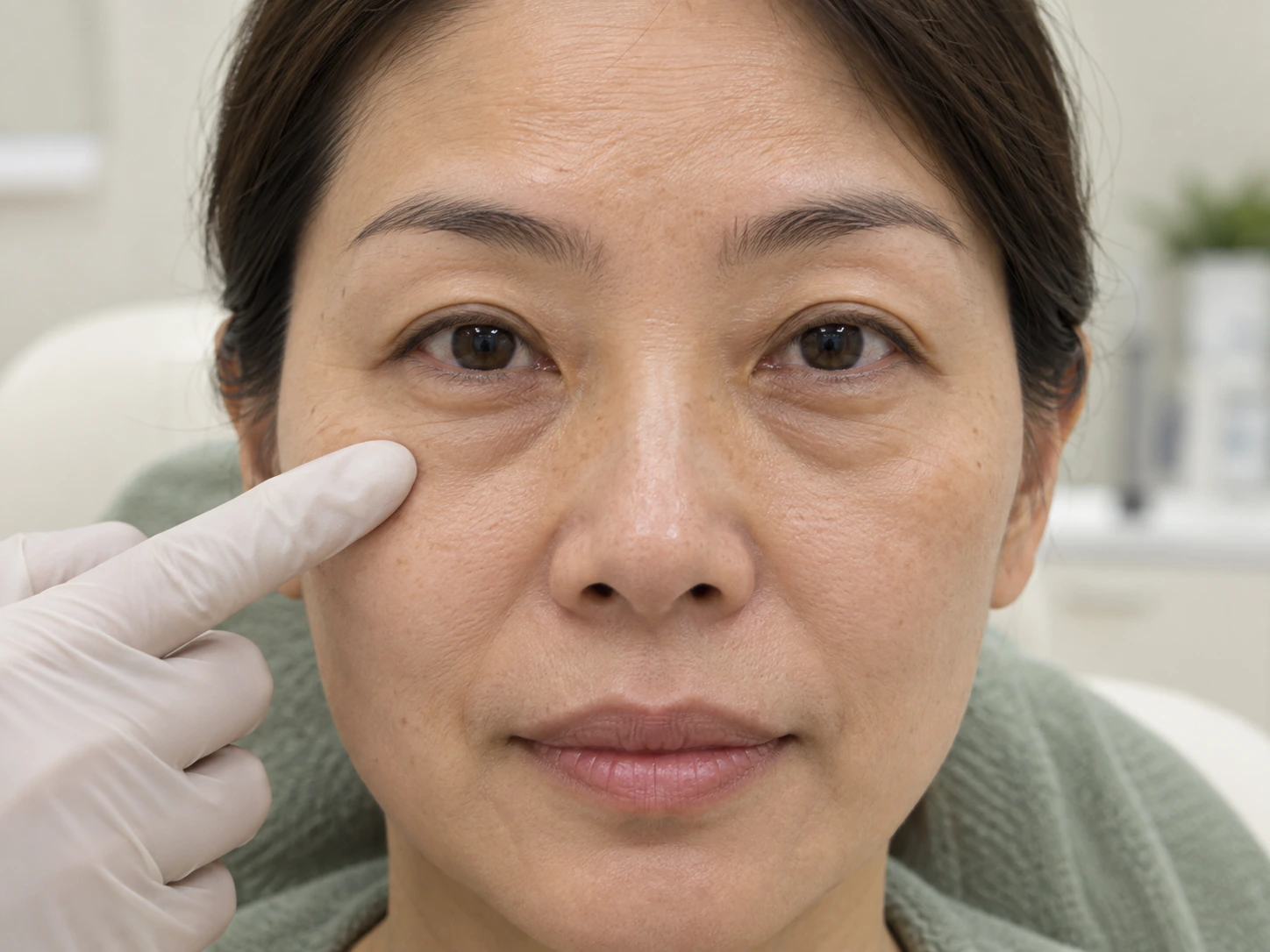
The clinician evaluates lower-lid fullness and tear-trough contour. Medial, central and lateral orbital fat are considered in the individual surgical plan.
Inner lower-eyelid access context
The inner-eyelid approach provides access to underlying orbital fat. Fat repositioning and supporting-tissue management depend on the individual anatomy and surgical plan.
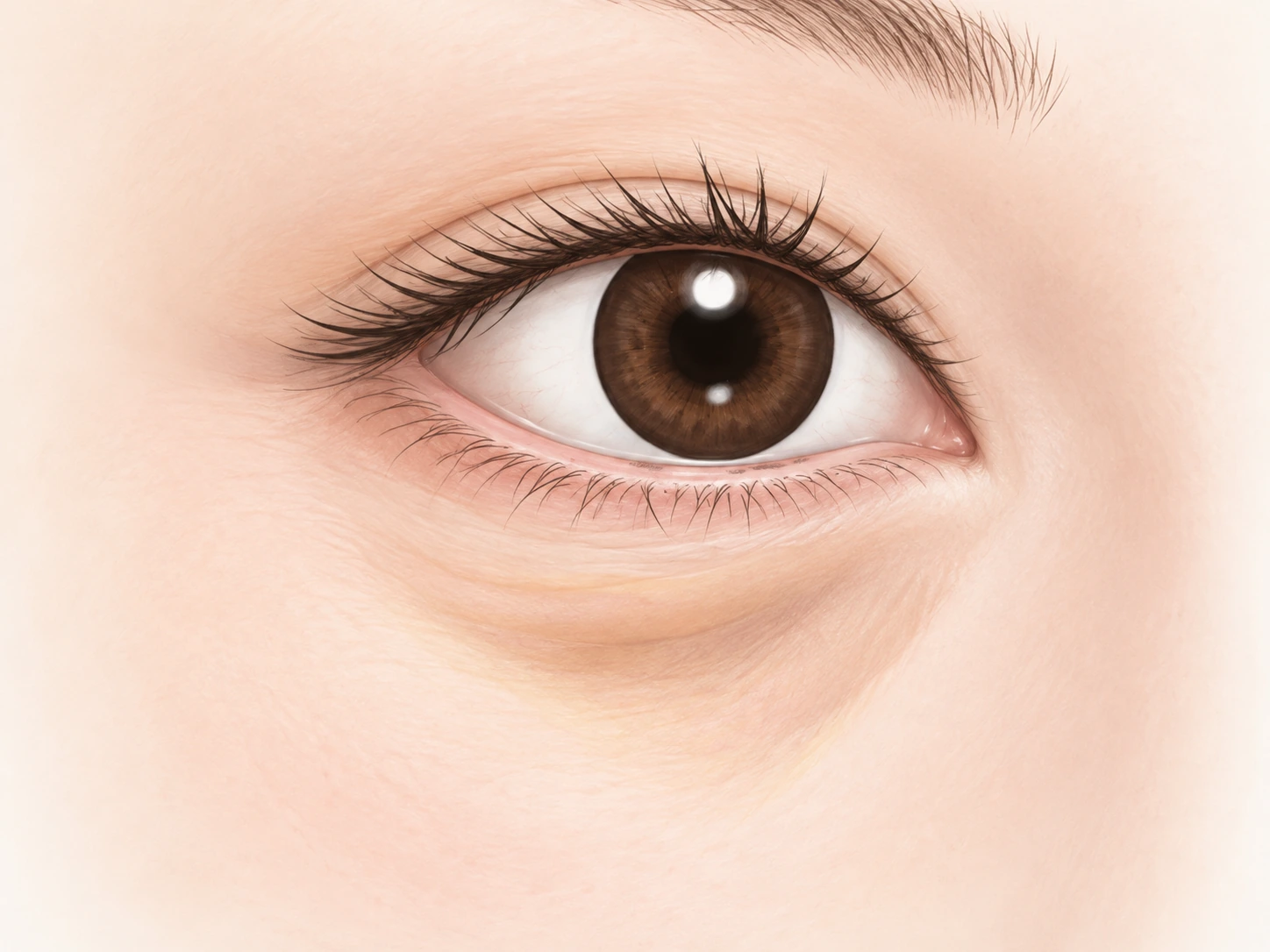
Assessing the under-eye area
The consultation assesses the distribution of lower-eyelid fat and the causes of a dark-looking under-eye area.
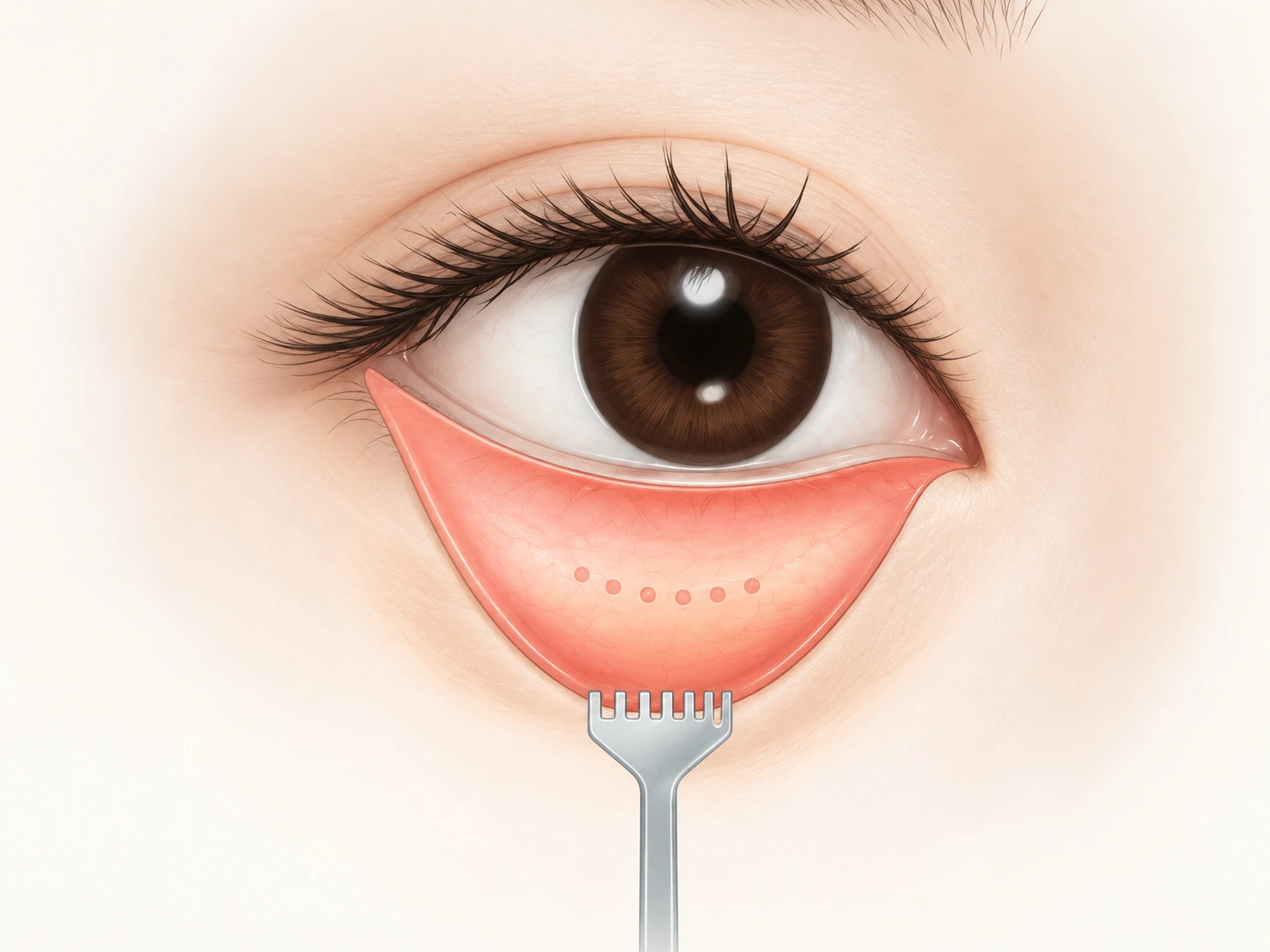
Access through the inner eyelid
The official page describes inner-eyelid access and removal of selected excess fat.
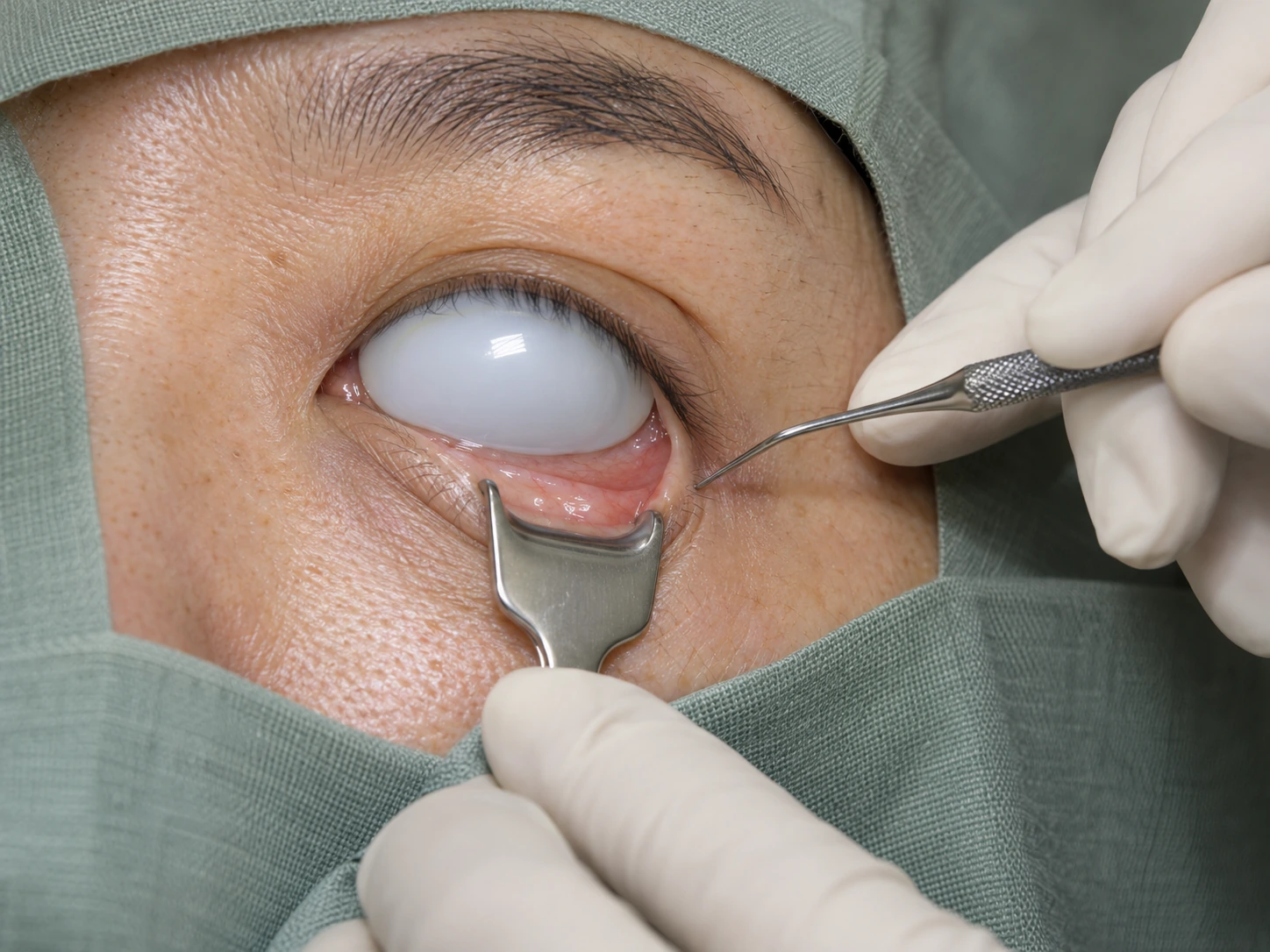
Inner lower-eyelid access context The inner-eyelid approach provides access to underlying orbital fat. Fat repositioning and supporting-tissue management depend on the individual anatomy and surgical plan.
Treatment illustration; not a patient result.
What the consultation considers.
Bulging fat
Tear-trough hollowing
Lower-eyelid skin
This is a starting point for a consultation, not an individual treatment recommendation.
Structures to discuss
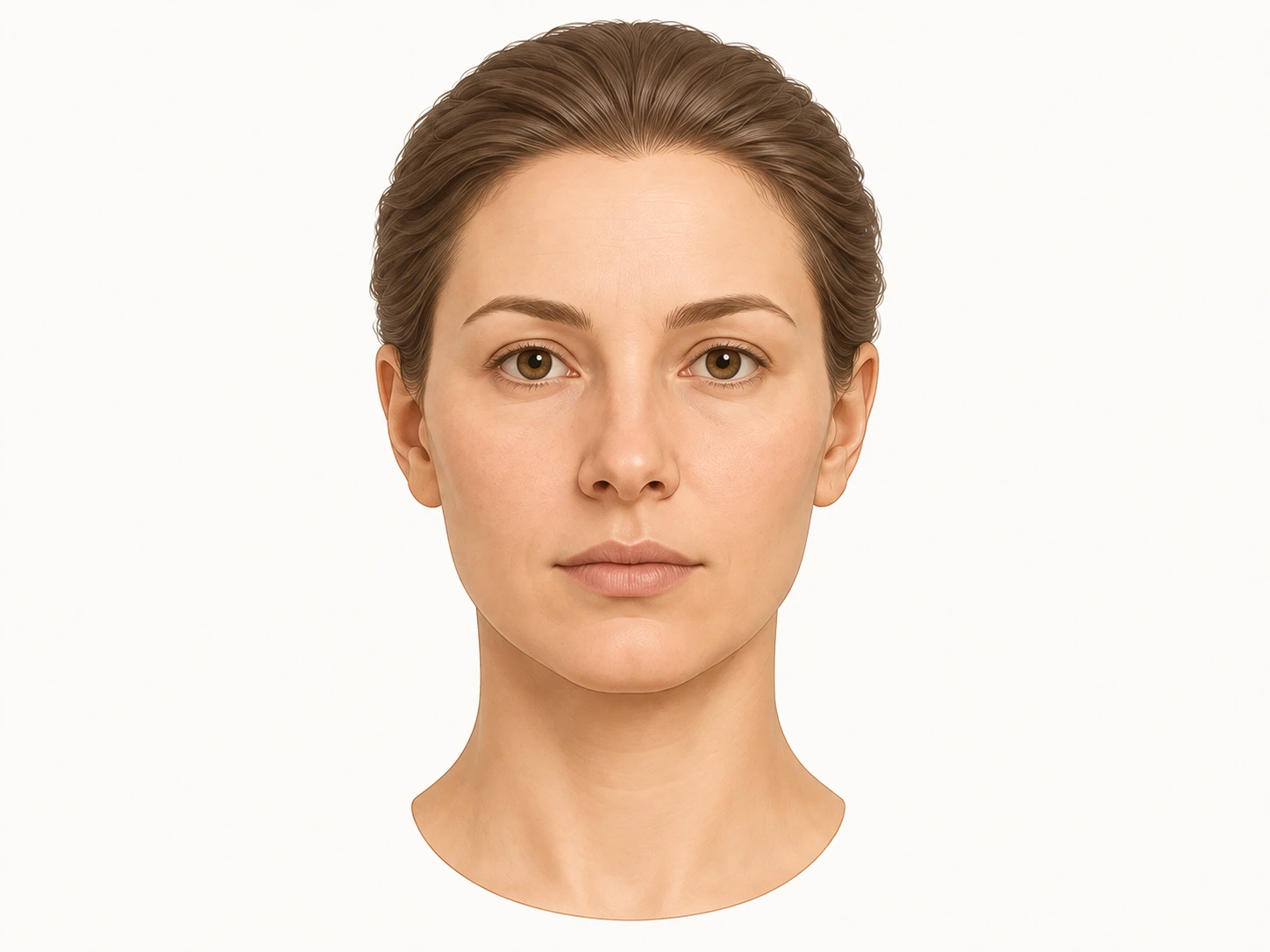
A neutral view of the same fictional teaching model, showing the eyes, nose, lips and chin.
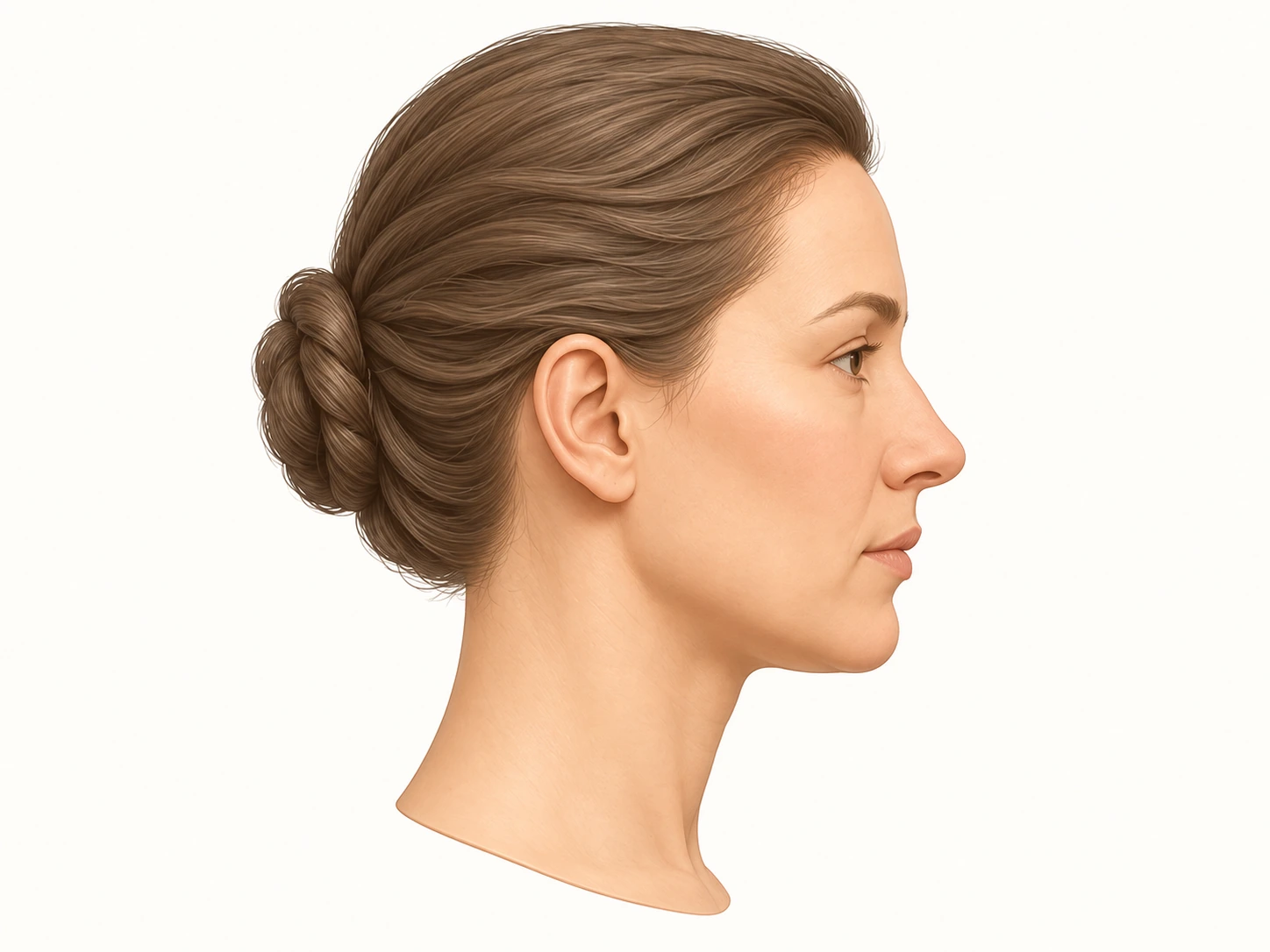
The side view shows the forehead, nose, lips, chin and jaw outline without changing the model.
Recovery, risks & limits.
Some reactions can be temporary; complications can also require treatment. This is not an exhaustive list.
Swelling, bruising, discomfort and scarring can occur.
Dryness, difficulty closing the eyes, asymmetry or a need for revision should be discussed.
Bleeding, infection and rare serious changes in vision require specific discussion with the surgeon.
Your timeline is individual.
Procedure time, anaesthesia, follow-up and return travel depend on your examination and the final plan. Confirm them before paying for flights or accommodation.
Recovery and results vary. Your clinician should explain the procedure-specific risks and aftercare before you decide.
If you develop severe or worsening symptoms after treatment, seek medical attention rather than waiting for an online reply.
Your questions, answered.
Does it treat every type of dark circle?
No. Fat position and shadowing are only part of the assessment. Pigmentation, skin quality and other causes require a separate discussion.
How long should I stay in Korea?
Procedure time, anaesthesia, follow-up and return travel depend on your examination and the final plan. Confirm them before paying for flights or accommodation.
Can I choose the procedure before an examination?
You can explore your options first. The final plan requires an examination, a discussion of alternatives and informed consent. Choosing no treatment is also an option.
How is the cost decided?
The clinic confirms the proposed method, treatment area and product or equipment before giving an individual quote. Ask what is included in follow-up care.
What should I disclose before treatment?
Tell the clinician about previous procedures, implants, medication, allergies and health conditions. Bring available details of earlier injections or surgery.
Information sources
Information checked against official websites on 30 October 2026
Official Korean sourceOfficial English sourceOfficial Traditional Chinese sourceBefore & After
Move the divider to compare the original photographs.
Under-eye fat repositioning
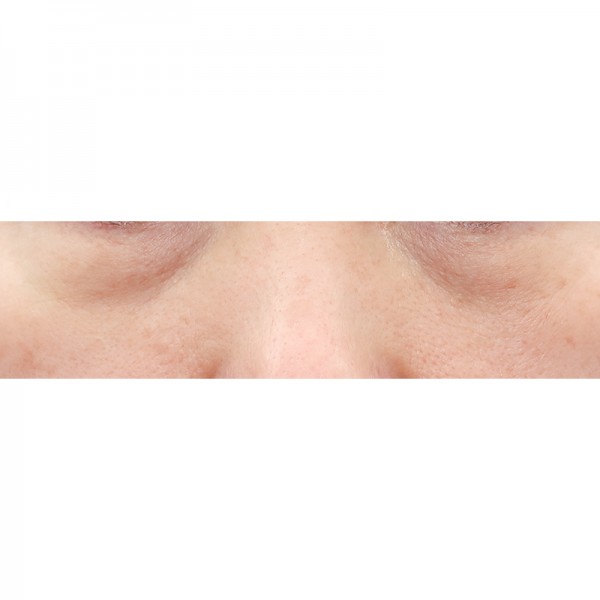
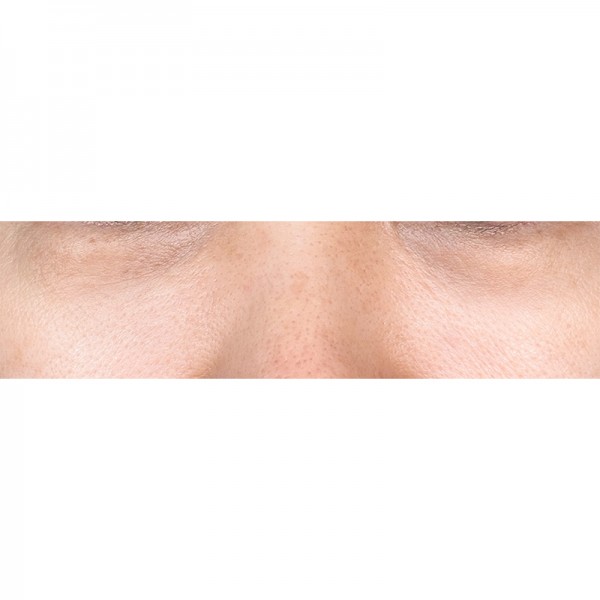 BeforeAfter
Under-eye fat repositioning
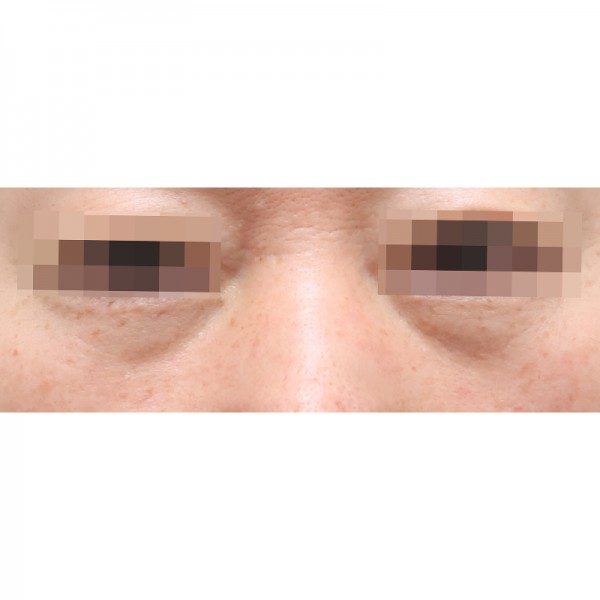
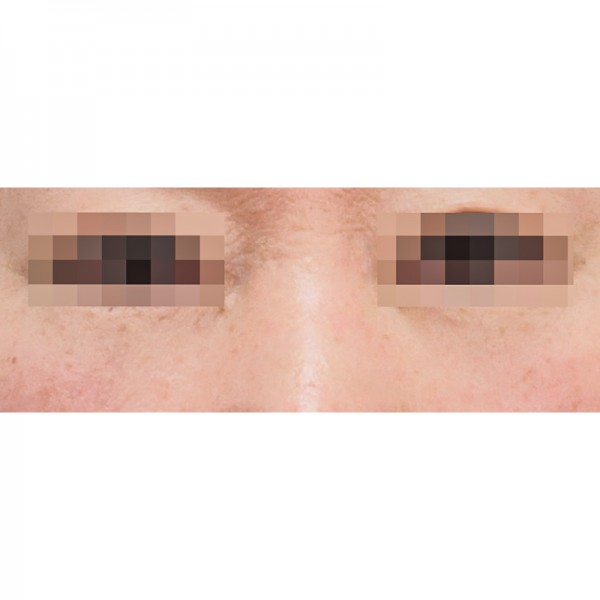 BeforeAfter
Under-eye fat repositioning
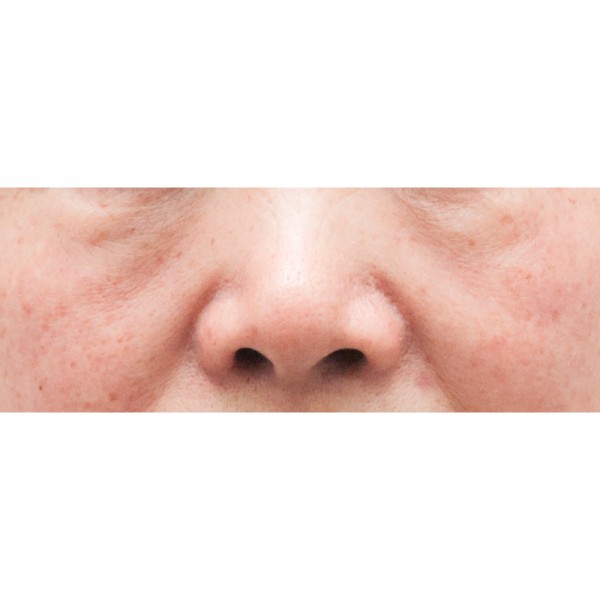
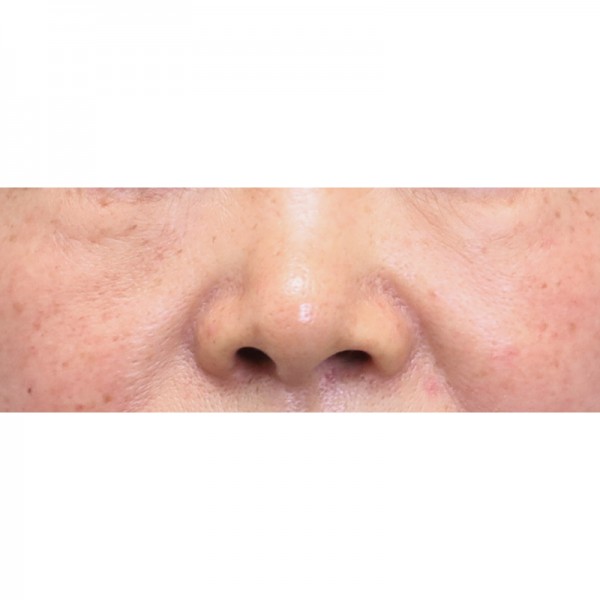 BeforeAfter
Original photographs published on the official Korean website. Individual results vary. The source does not state when the follow-up photograph was taken.
Official case gallery ↗Some photographs on the official website require sign-in.