
The approach, at a glance.
These consultation points summarize procedure-specific descriptions from the official Korean detail page. Suitability, technique, risks and recovery require individual clinical assessment.
Behind the hairline
The source describes an approach through small incisions behind the hairline.
Endoscopic view
An endoscopic camera provides an enlarged view of the forehead and brow area.
Brows and eyelids
The source discusses combined brow and eyelid drooping as an assessment topic.
Forehead and frown area
Forehead and frown-line concerns are considered alongside the brow position.
How the approach works.
Clair describes small incisions behind the hairline and endoscopic visualisation while releasing, lifting and fixing tissue. The incision sites and fixation plan depend on the examination.
Forehead and brow assessment
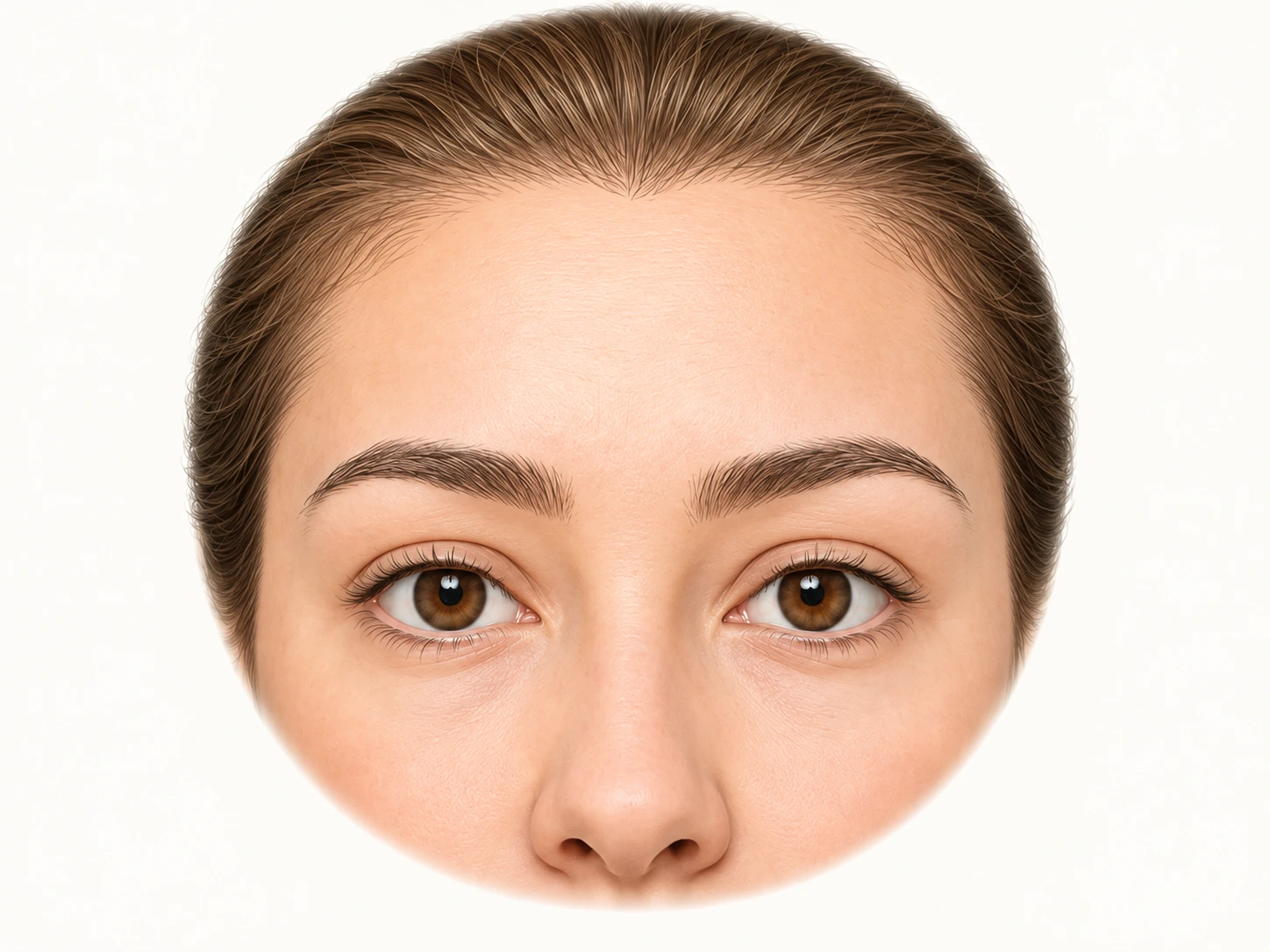
The hairline, forehead, eyebrows and upper eyelids are shown in a relaxed position.
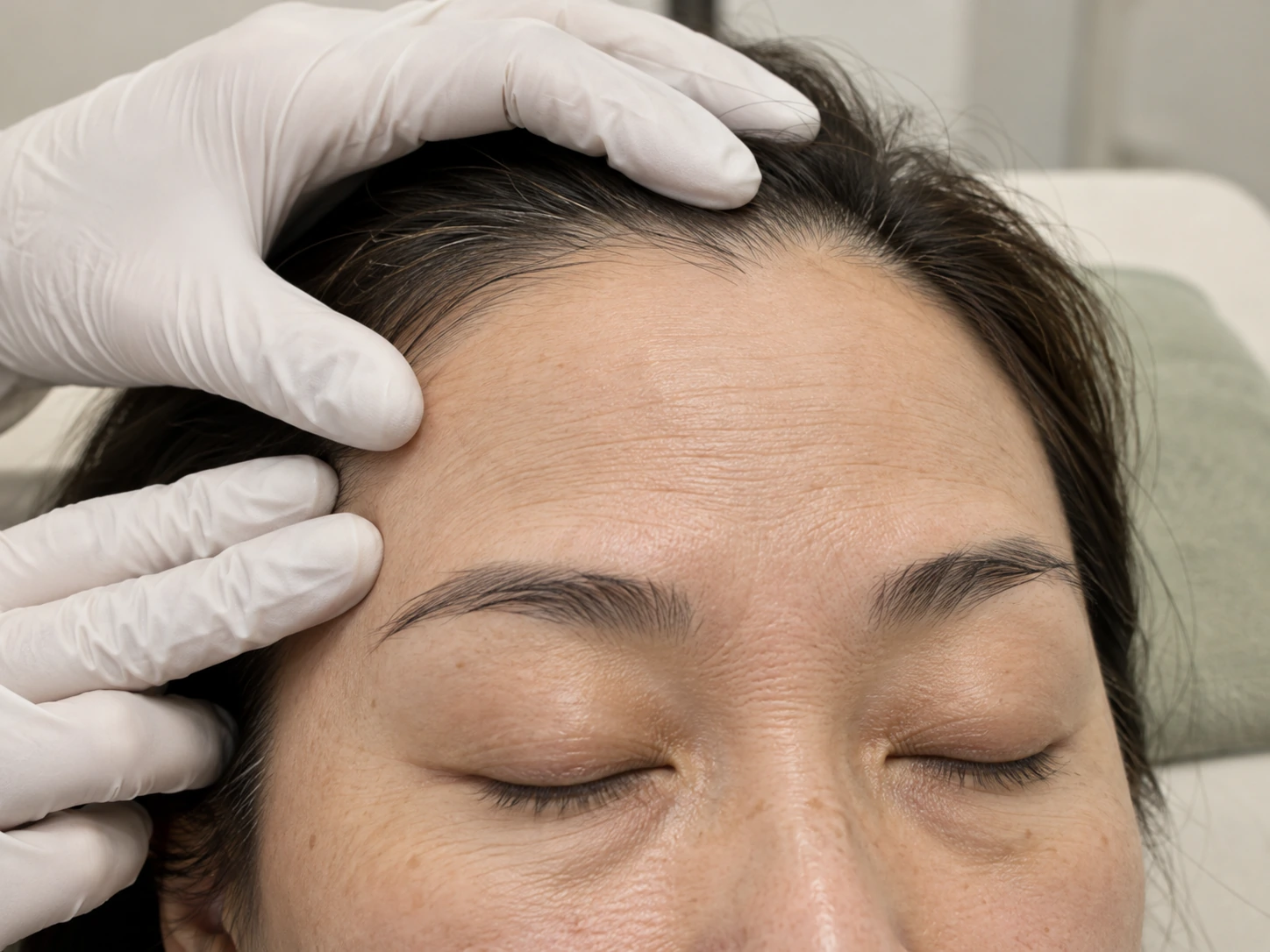
Forehead skin, underlying tissues and brow position are assessed together. The layers discussed in the text are not exposed in this external assessment view.
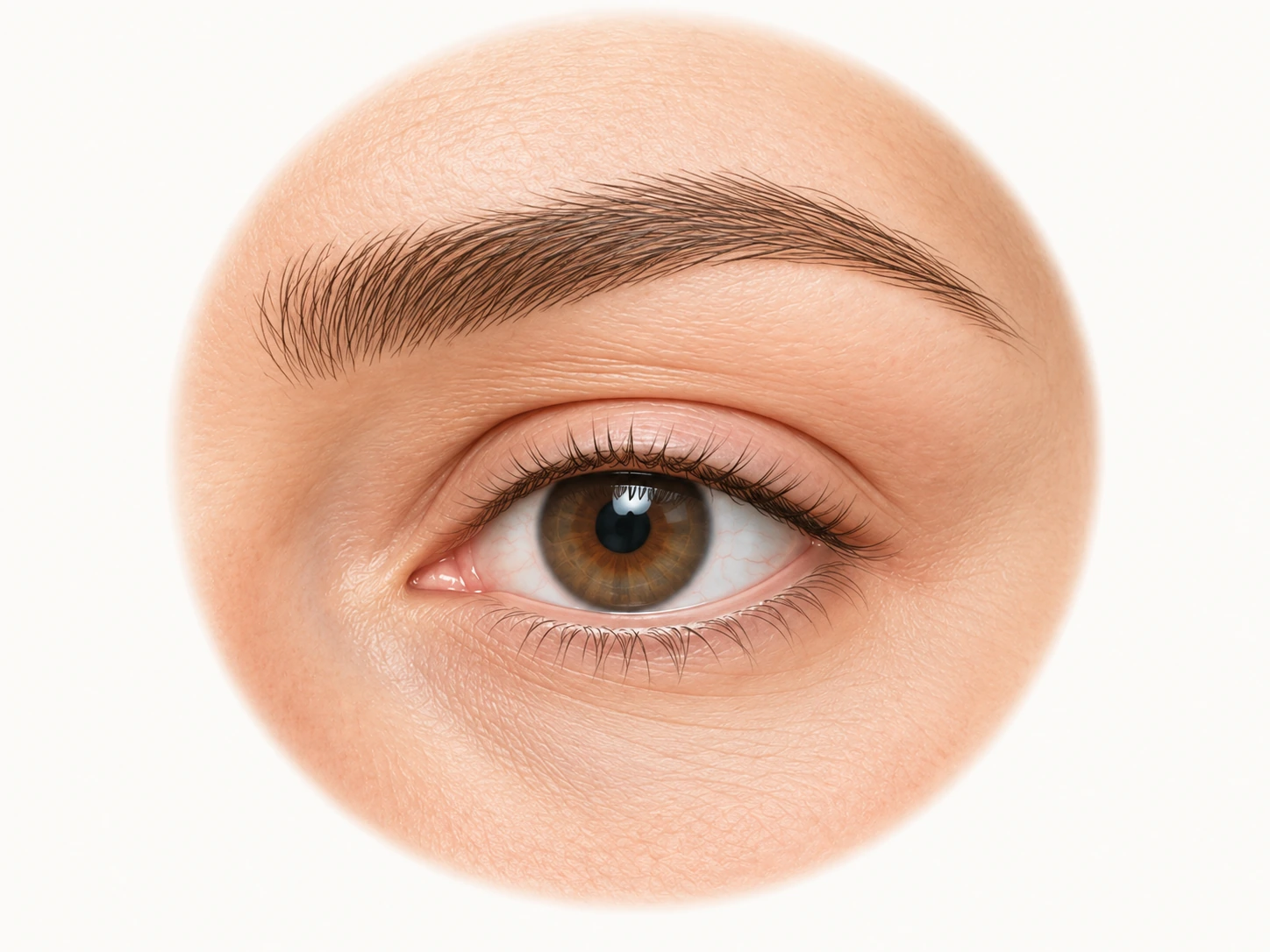
The eyebrow lies above the upper eyelid crease; their positions vary between individuals.
The thin frontalis muscle lies beneath superficial forehead tissue and above the frontal bone.
Endoscopic hairline access context
Endoscopic instruments work beneath forehead tissues through small hairline incisions. This external view shows access rather than the deeper tissue plane or a complete operative technique.
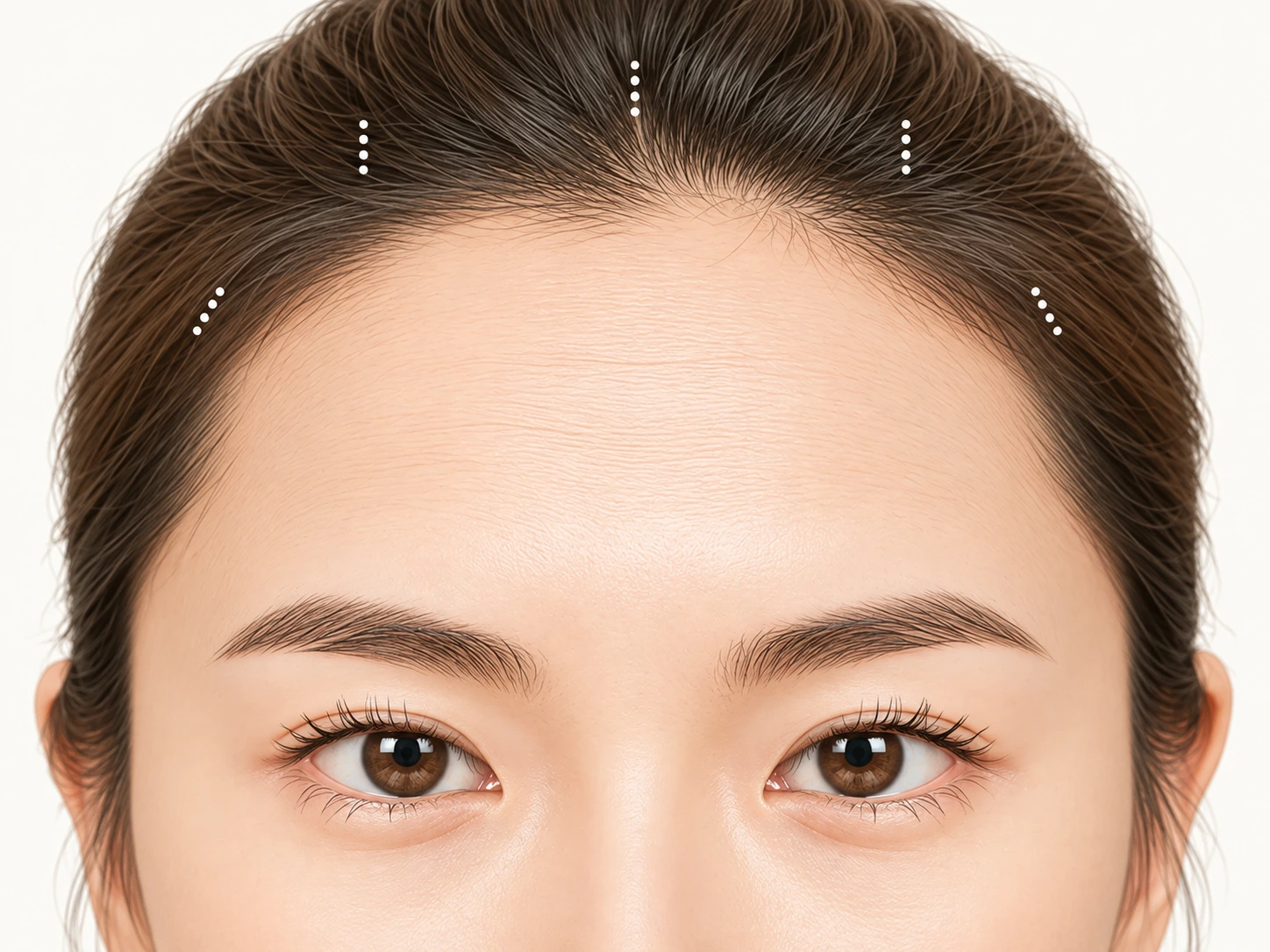
Hairline access
Small openings behind the hairline provide access for the procedure.
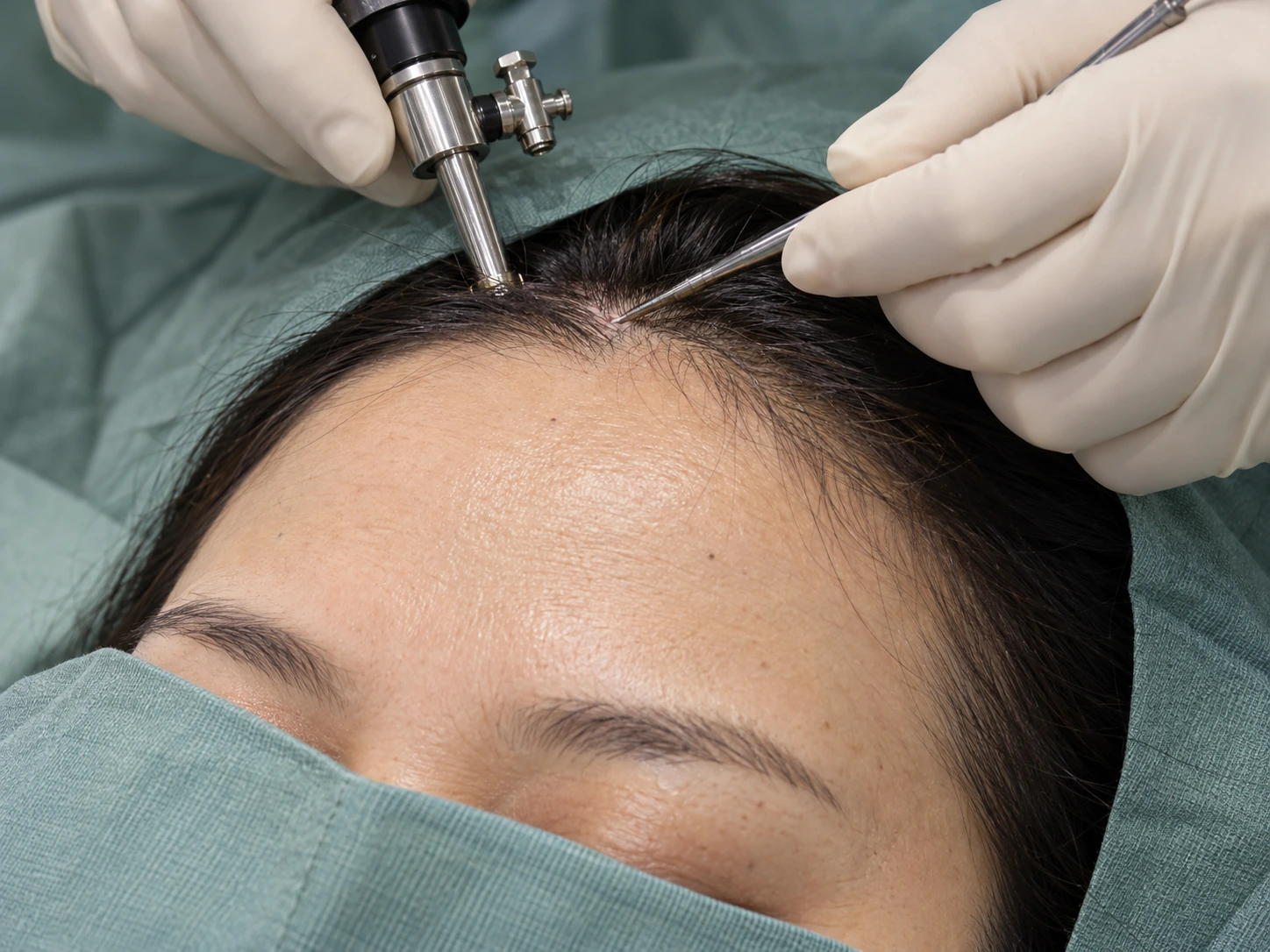
Endoscopic instruments work beneath forehead tissues through small hairline incisions. This external view shows access rather than the deeper tissue plane or a complete operative technique.
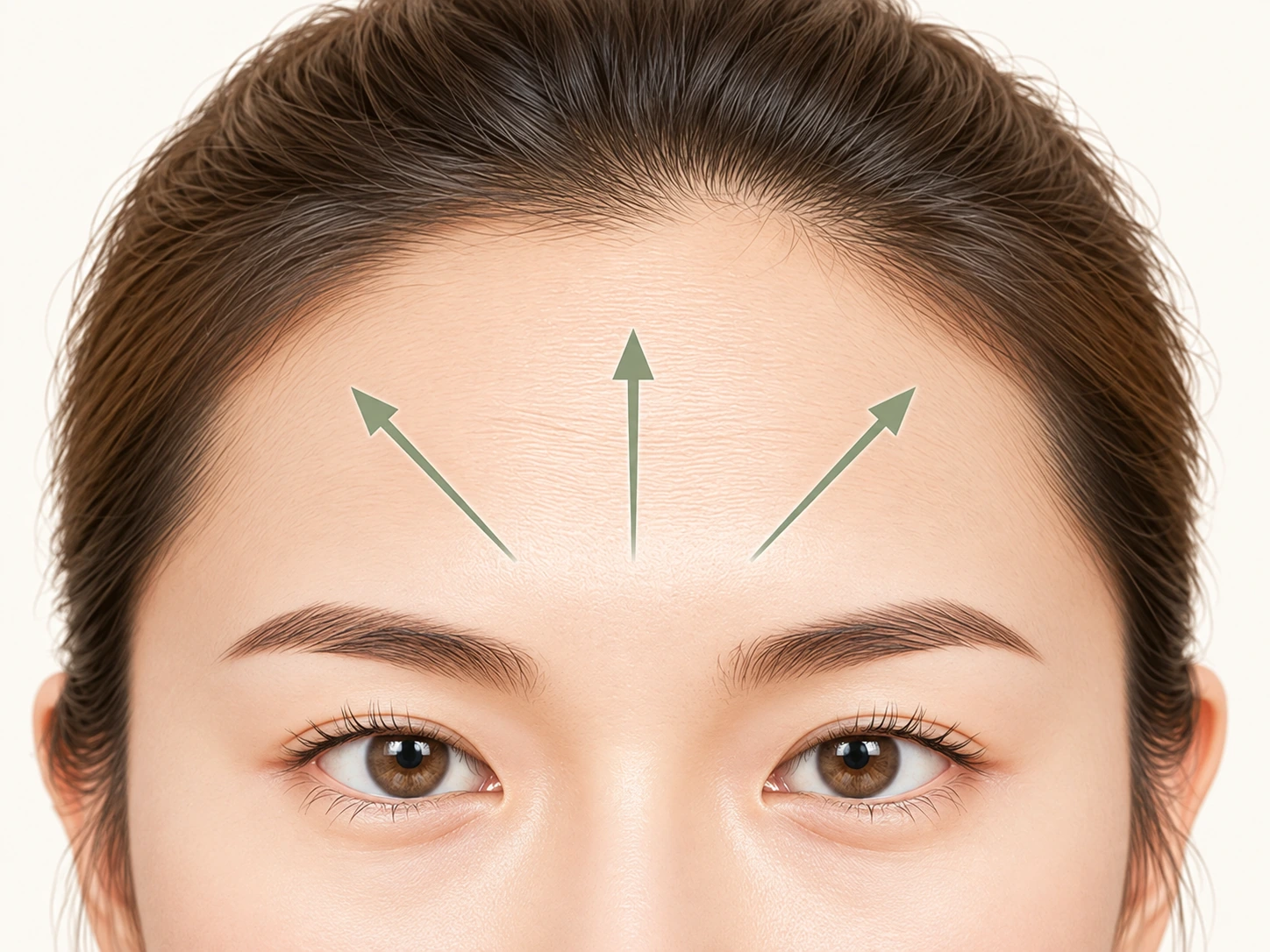
Lifting and fixation
The forehead and brow tissues are lifted and fixed according to the surgical plan.
Treatment illustration; not a patient result.
What the consultation considers.
Brow position
Forehead anatomy
Upper-face balance
This is a starting point for a consultation, not an individual treatment recommendation.
Upper-eyelid movement assessment
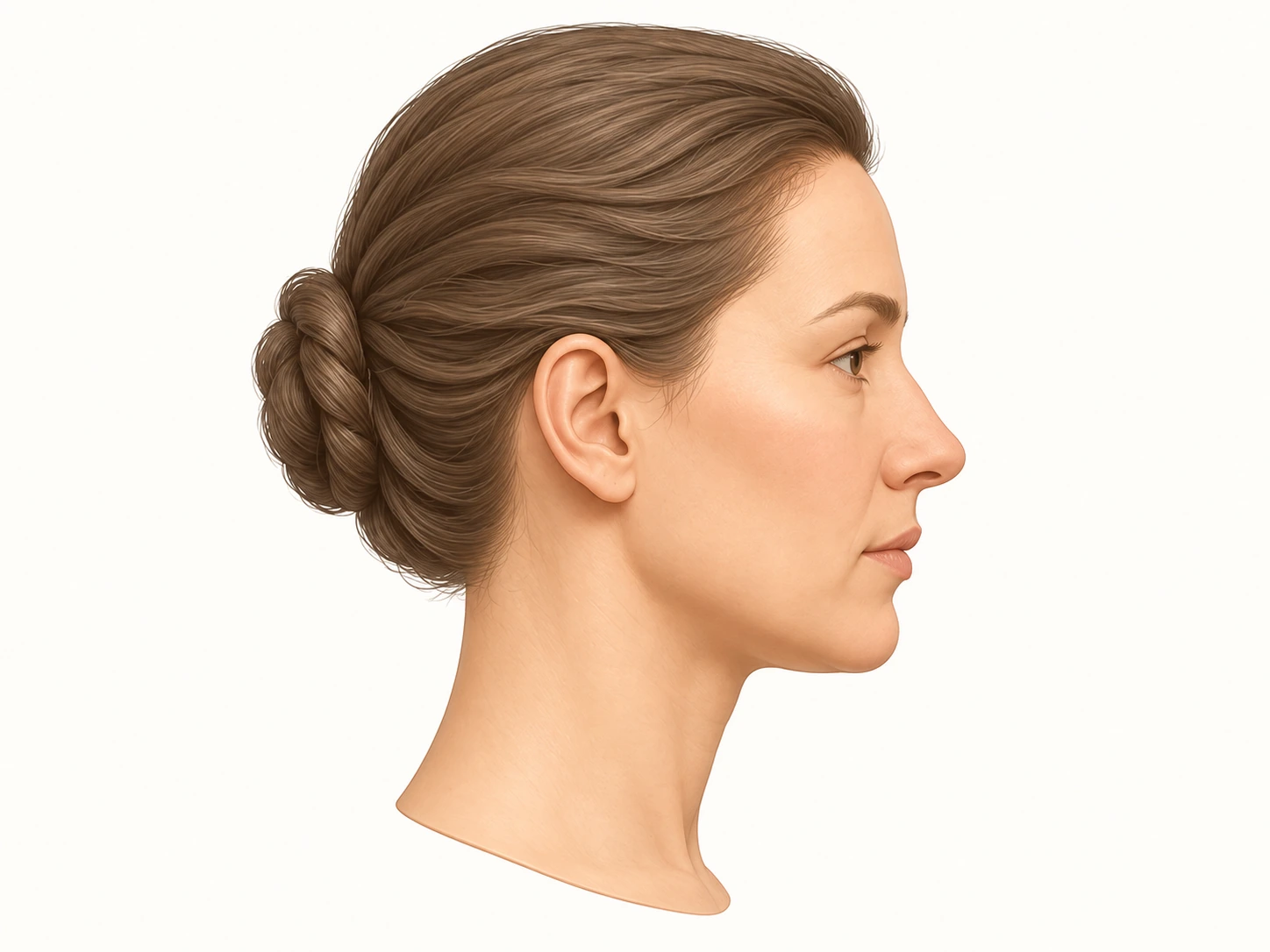
The side view shows the forehead, nose, lips, chin and jaw outline without changing the model.
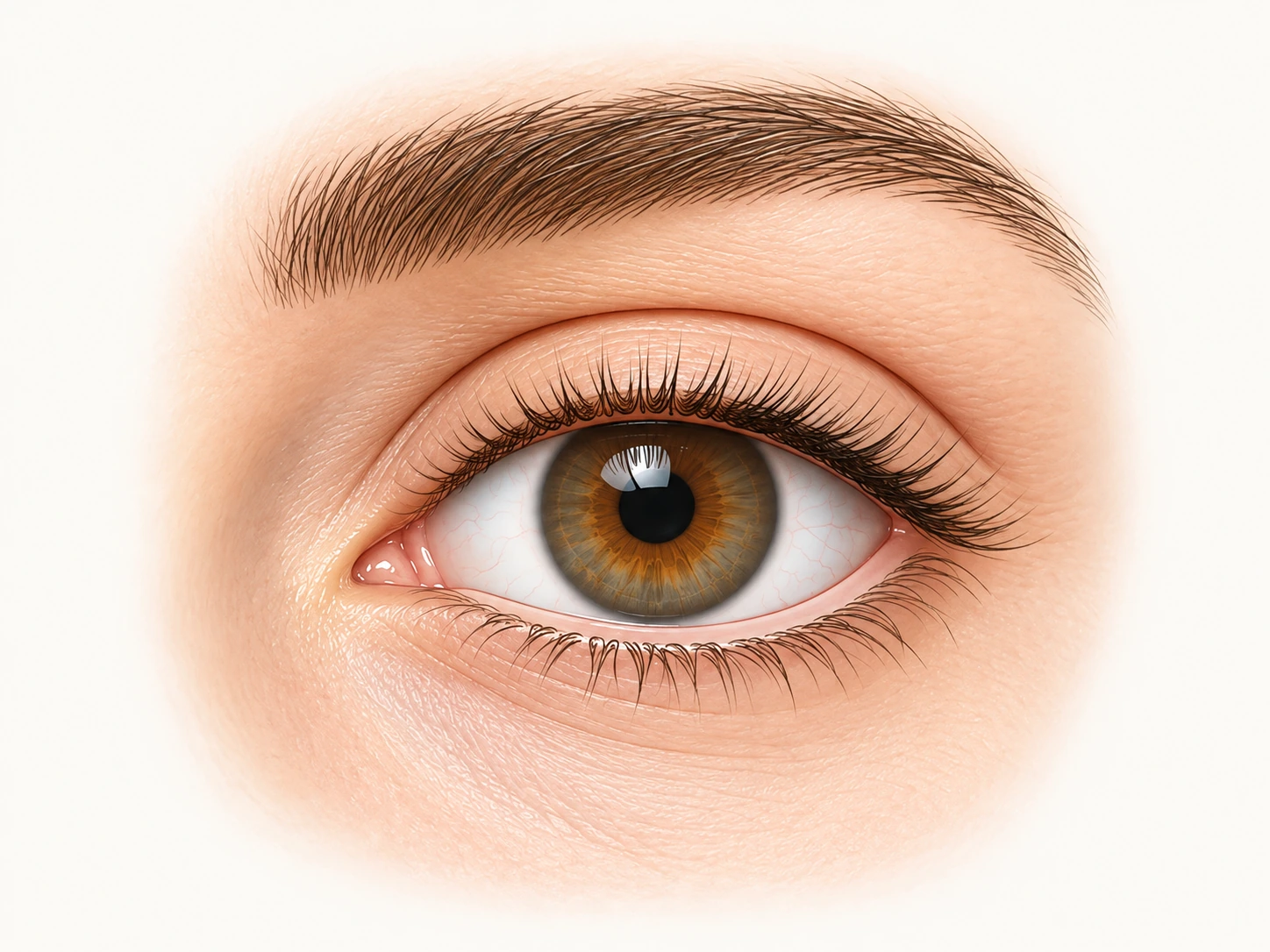
A surface view shows the upper eyelid crease and lid margins around an intact eye.
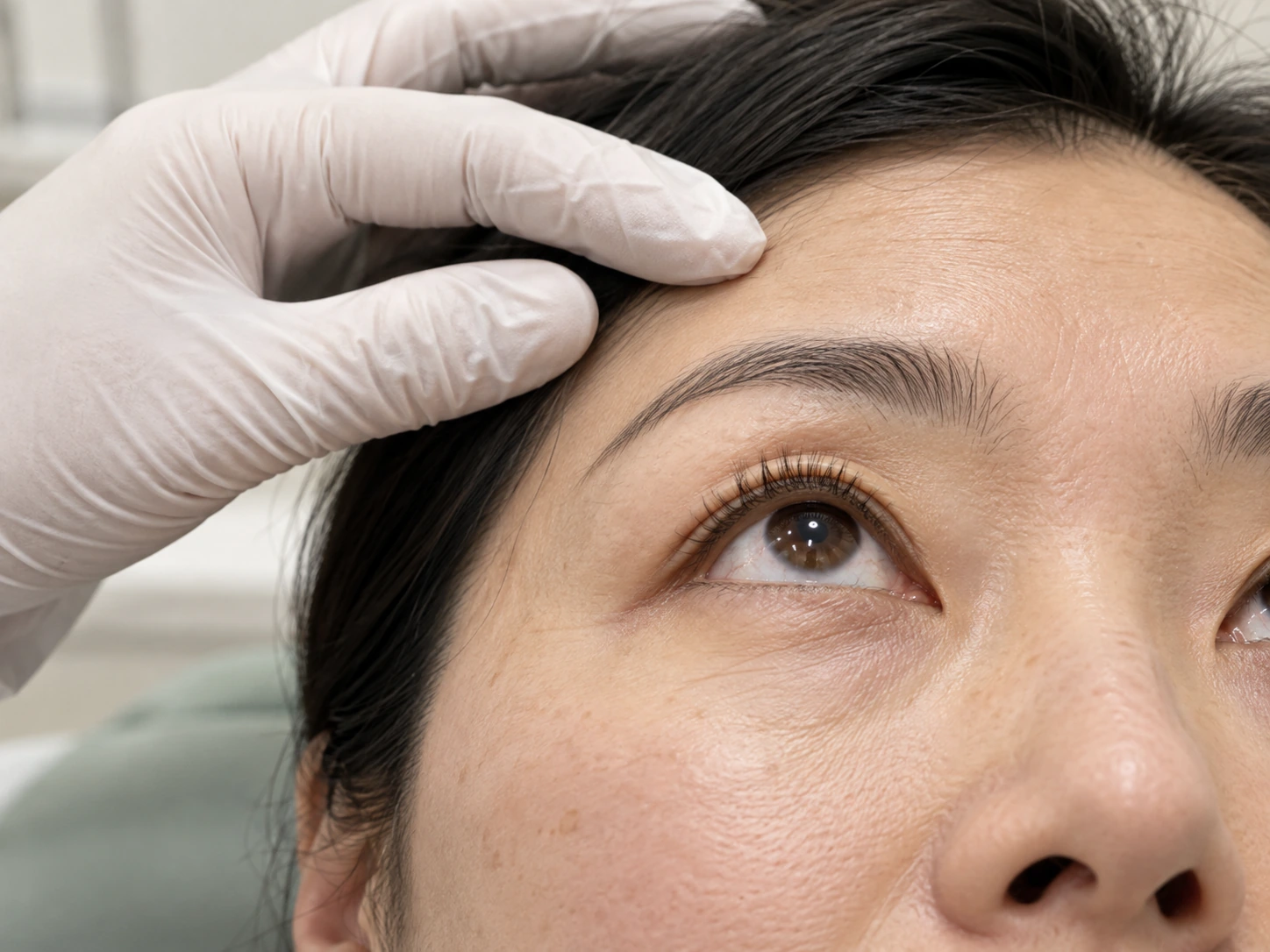
Upper-eyelid position and movement are assessed while brow activity is considered separately. The levator and its aponeurosis are explained in the accompanying text.
The levator muscle runs above the eyeball and continues toward the upper eyelid through its aponeurosis.
Recovery, risks & limits.
Some reactions can be temporary; complications can also require treatment. This is not an exhaustive list.
Bleeding, infection, visible scars and anaesthesia complications are possible.
Hairline changes, hair loss near incisions, altered sensation and asymmetry should be discussed.
Facial nerve injury, persistent pain and the possible need for revision are part of the risk assessment.
Your timeline is individual.
Procedure time, anaesthesia, follow-up and return travel depend on your examination and the final plan. Confirm them before paying for flights or accommodation.
Recovery and results vary. Your clinician should explain the procedure-specific risks and aftercare before you decide.
If you develop severe or worsening symptoms after treatment, seek medical attention rather than waiting for an online reply.
Your questions, answered.
Can a brow problem look like heavy eyelids?
Yes, brow position can affect the upper-eye area. The consultation separates brow descent, eyelid skin and eye-opening function before choosing an approach.
How long should I stay in Korea?
Procedure time, anaesthesia, follow-up and return travel depend on your examination and the final plan. Confirm them before paying for flights or accommodation.
Can I choose the procedure before an examination?
You can explore your options first. The final plan requires an examination, a discussion of alternatives and informed consent. Choosing no treatment is also an option.
How is the cost decided?
The clinic confirms the proposed method, treatment area and product or equipment before giving an individual quote. Ask what is included in follow-up care.
What should I disclose before treatment?
Tell the clinician about previous procedures, implants, medication, allergies and health conditions. Bring available details of earlier injections or surgery.
Information sources
Information checked against official websites on 30 October 2026
Official Korean sourceOfficial English sourceOfficial Traditional Chinese sourceBefore & After
Case photographs
No public case photographs are displayed here for this treatment. For relevant cases, check the official gallery or ask the clinic.
Some photographs on the official website require sign-in.